
How to learn kanji with pictures
Rows of strokes are hard to remember. Pictures are easier. Many kanji began as drawings of real things, and the rest are built from smaller parts you can picture. This method starts there.
Why pictures help
Abstract shapes give your memory little to grip. A tree with a trunk, branches and roots gives it something concrete, and once you've seen 木 as that tree, it's hard to unsee it. A picture also connects the shape to the meaning straight away, before you've learned how to say the word.
Picture kanji: the strokes become the object
Some kanji are stylised drawings, so we draw the object directly on the strokes.
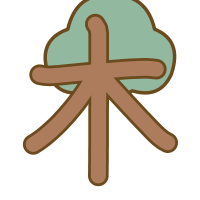 木
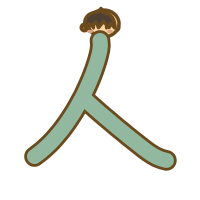 人
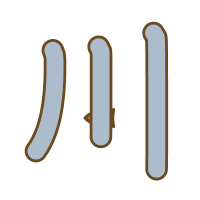 川
 日
Compound kanji: each part tells the story
Most kanji combine smaller parts. We put each part where it really sits in the character, so the layout of the picture matches the layout of the kanji.
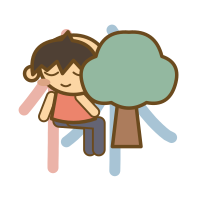 休
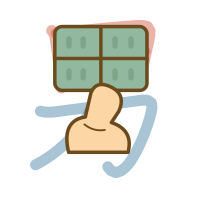 男
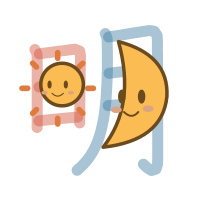 明
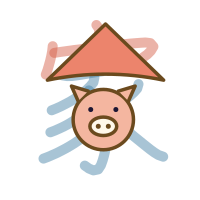 家
Tired out, a person leans against a tree to rest. A pig under a roof: in old farmhouses, the pig meant home.
History and memory
Where a kanji's real origin is vivid, we use it: 家 really does show a pig under a roof. Where the history is obscure, we choose whatever is easiest to remember and show the ancient forms on the card, so you can always see the real story.
Four steps for each kanji
- See the pictureEach drawing is built on the real strokes, so the shape and the meaning arrive together.
- Read one short storyA one-sentence mnemonic gives your memory something to hold on to.
- Learn the readingsAdd the on'yomi and kun'yomi once the shape feels familiar.
- Review before you forgetSpaced repetition brings each kanji back just as it starts to fade.